Monthly archive of The Worksite Group’s monthly benefits broker newsletter offering insights on ICHRA administration, benefits technology, benefits administration and the other topics keeping benefits consultants at the top of their game.
Benefits Broker Newsletter from TWG - Monthly Insights Archive

August 2026: Your September Guide to Open Enrollment
The August 2026 edition of Broker Insights gives you tips and updated info on timing for ICHRA and other open enrollment concerns. Read to get strategies on quoting now instead of waiting for final numbers, updates to minimums for ICHRA subsidies, and other quick reads to get you ready for the next month.
July 2026: Is Your Client’s ICHRA Administrator Making You Look Bad?
The July 2026 edition of Broker Insights features a question brokers need to consider seriously: is your client’s ICHRA administrator making the product seem like the wrong answer? There are companies right now struggling to get a hold of the right person when a reimbursement doesn’t come through, trying to get answers to wonky policy questions, and generally navigating the big leap to ICHRA on their own. None of these are problems with ICHRA as a benefits product, but they make the client think twice about their relationship with the broker who recommended the switch.
Dive into this newsletter to get the questions you need to evaluate whether it’s time to fix the relationship with an ICHRA administrator, or if it’s time to move your client onto a different platform to salvage the relationship. We’ve created a matrix you can use to objectively score performance and make a decision.

June 2026: Not Everyone Needs a PPO (And Why That Matters for ICHRA)
The June 2026 issue of Broker Insights talks about a myth holding brokers back from starting conversations with their client about ICHRA: the idea that everyone needs a PPO. In reality, HMOs can offer the exact same access to an employees’ care network if they’re in the right market. The important qualifier in this conversation is that brokers need to know the coverage landscape in each state they serve.
Read more about how to have the PPO conversation with your clients, including the exact information you need to know before you go into a meeting to recommend ICHRA.
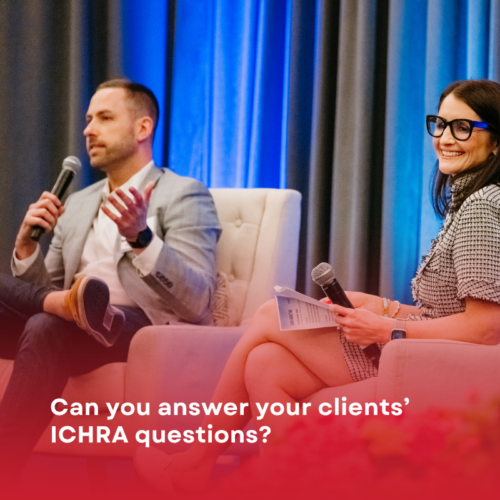
May 2026: Can you answer your clients’ ICHRA Questions?
The May 2026 issue of TWG Broker Insights asks the question brokers leaving Nashville were quietly sitting with: can you actually answer your clients’ ICHRA questions? Andy Stein shares a first-person account from leading the breakout session at the 2026 ICHRA Conference, where TWG and Sea Salt & Seltzer debuted a free ICHRA Marketing Gap Analysis Worksheet for brokers and employers.
Inside: key findings from the 2026 Second Annual ICHRA Report by zizzl health and Deft Research, released at the conference, including why employer ICHRA awareness jumped 25 points in a single year and why 20% of employers switching to ICHRA are doing it with a new consultant. Plus a breakdown of the ancillary benefits problem that shows up six months after a clean ICHRA implementation, and what a complete administration setup looks like before your client sees an enrollment screen.
April 2026: The Policy Tailwind Behind ICHRA Is Stronger Than It’s Ever Been
The April issue covers a rare moment in healthcare policy: bipartisan momentum behind ICHRA that gives brokers a more confident answer when skeptical clients ask whether this is a long-term bet worth making. State legislatures in Indiana, Mississippi, Wisconsin, Ohio, and Connecticut are all moving on ICHRA tax credit legislation, with credits ranging up to $600 per employee. For a 30-person company in Indiana, that’s up to $12,000 in year-one relief. That’s a number you can put in front of a CFO today.
The issue also addresses what happens to dental, vision, and voluntary benefits when a client moves off group health, and why that question needs an answer before enrollment, not after. TWG’s SYNC Service is built specifically to run ancillary benefits administration alongside ICHRA in one platform, with one point of contact.

March 2026: The Benefits Communication Gap Your Clients Don’t Know They Have
The March issue focuses on a problem sitting quietly in most broker books right now: employees who just completed open enrollment still don’t understand their benefits. TWG makes the case that this gap between what clients think they delivered and what employees actually experienced is one of the most fixable problems in your book, and one of the most costly to ignore at renewal time.
With Gen Z now outnumbering Boomers in the workplace for the first time, the demand for real human guidance during enrollment isn’t a generational quirk. It’s the new baseline. Licensed benefits counselors, not longer PDFs, are what close that gap.
The issue also covers how TWG’s ICHRA administration, Employee Navigator, and year-round benefits communication work as a complete stack, and why having all three under one roof is what separates a cost-effective benefits package from one employees actually use.
February 2026: Why Large Employers Are Rethinking Group Health (And What It Means for Your Book)
The February issue covers a market shift benefits brokers need to understand: large employer ICHRA adoption jumped 34% from 2024 to 2025, and it’s not because group health got more expensive. It’s because the cost structure became genuinely unpredictable, driven largely by GLP-1 pharmacy spend that carriers are now pricing into renewals before your clients even see a notice.
TWG also makes the case that a well-configured benefits administration platform is one of the most underused tools for broker retention, and that the brokers with the lowest client turnover aren’t the ones with the best carrier relationships. They’re the ones whose clients feel supported year-round.
January 2026: The Brokers Who Win in 2026 Start Planning Now
If you’re a benefits broker still catching your breath after January 1 renewals, this issue is worth your time. The Worksite Group breaks down why January is actually the most valuable month of the year for positioning your book of business, and what that looks like in practice.
Inside this issue: a straight-talk look at why platform migrations have longer sales cycles than most brokers budget for (and how to start those conversations now), what happens when employees still don’t understand their benefits after enrollment, and why 60% of employers are already exploring alternatives to traditional group health. There’s also a practical reminder that April 1 effective dates are still very much on the table for clients who need a better runway to implement ICHRA the right way.